

Key takeaways about God's forgiveness of you watching bad things
-
God forgives those who repent of watching sinful content, even after repeated failure.
-
Forgiveness is based on God’s mercy and a person’s willingness to turn back, not on perfect behavior.
-
Watching pornography does not put someone beyond God’s grace, even if the struggle is ongoing.
-
Temptation itself is not sin; sin occurs when it is entertained and acted upon.
-
Repeated failure often reflects habits, triggers, and environment rather than lack of faith or sincerity.
-
Guilt and fear are not signs of rejection but can reflect an active conscience and desire to change.
-
Lasting change requires combining repentance with practical steps like accountability, boundaries, and habit change.
-
Christianity teaches that forgiveness is the starting point for transformation, not the reward for finally getting everything right.
Frequently asked questions about God's forgiveness of you watching bad things
Will God forgive me for watching bad things?
Yes. Scripture teaches that God forgives those who confess and repent, regardless of how many times they have failed.
What if I keep failing over and over again?
Repeated failure does not cancel forgiveness. What matters is continued repentance and a genuine desire to change.
Is being tempted the same as sin?
No. Temptation itself is not sin—sin occurs when temptation is entertained and acted on.
Why does pornography feel spiritually serious?
Because it involves intentional lust, shapes desire, and can create patterns of secrecy and disconnection from God and others.
How can I stop repeating this cycle?
By combining repentance with practical steps like accountability, habit changes, reducing triggers, and building supportive structures for change.
Relay is a therapist-backed group recovery program for pornography and unwanted sexual behavior, combining daily accountability, real-time urge support, and a private peer community.
Will God Forgive Me for Watching Bad Things? Yes—Even After Repeated Failure
Yes. God forgives those who repent—even after repeated failure.
Watching sinful content does not put you beyond God’s grace. Scripture is clear: when you confess and turn back to God, forgiveness is given—not because the sin is small, but because God’s mercy is greater.
*“If we confess our sins, he is faithful and just to forgive us our sins, and to cleanse us from all unrighteousness.” *— 1 John 1:9 (KJV)
If you’re worried about forgiveness, that concern itself is evidence that your heart has not hardened beyond the point of repentance.
Temptation often shows up before we’re prepared for it — late at night, when we’re tired, lonely, stressed, or emotionally worn down. In those moments, explicit content can feel both available and private.
Scripture makes an important distinction here: being tempted is not the same thing as choosing sin. Even Jesus Christ Himself was tempted, yet without sin. The presence of temptation does not mean you have failed God.
Temptation becomes sin when it is entertained, chosen, and acted on—not when it merely appears.
For a deeper explanation of the theology around this question, see our full guide to whether masturbation is a sin.
If you’re here because you watched something you regret and now feel anxious, ashamed, or scared about where you stand with God, take a breath. You haven’t crossed some invisible line.
But you are not beyond forgiveness, and you’re not alone.
If you’re like most people, you searched this question late at night, right after saying, “I won’t do this again,” and then failing.
Your fear isn’t just about what you watched, but it’s also about whether God is tired of forgiving you, whether this sin “counts differently,” or whether repeated failure means you’re no longer worthy of God’s grace.
If that’s you, here’s the most important thing to understand before anything else:
Watching something sinful does not disqualify you from God’s forgiveness.
That doesn’t mean the behavior doesn’t matter. It does.
But it does mean that your guilt, fear, and despair do not signal the end
Why This Question Feels So Heavy for Many Christians
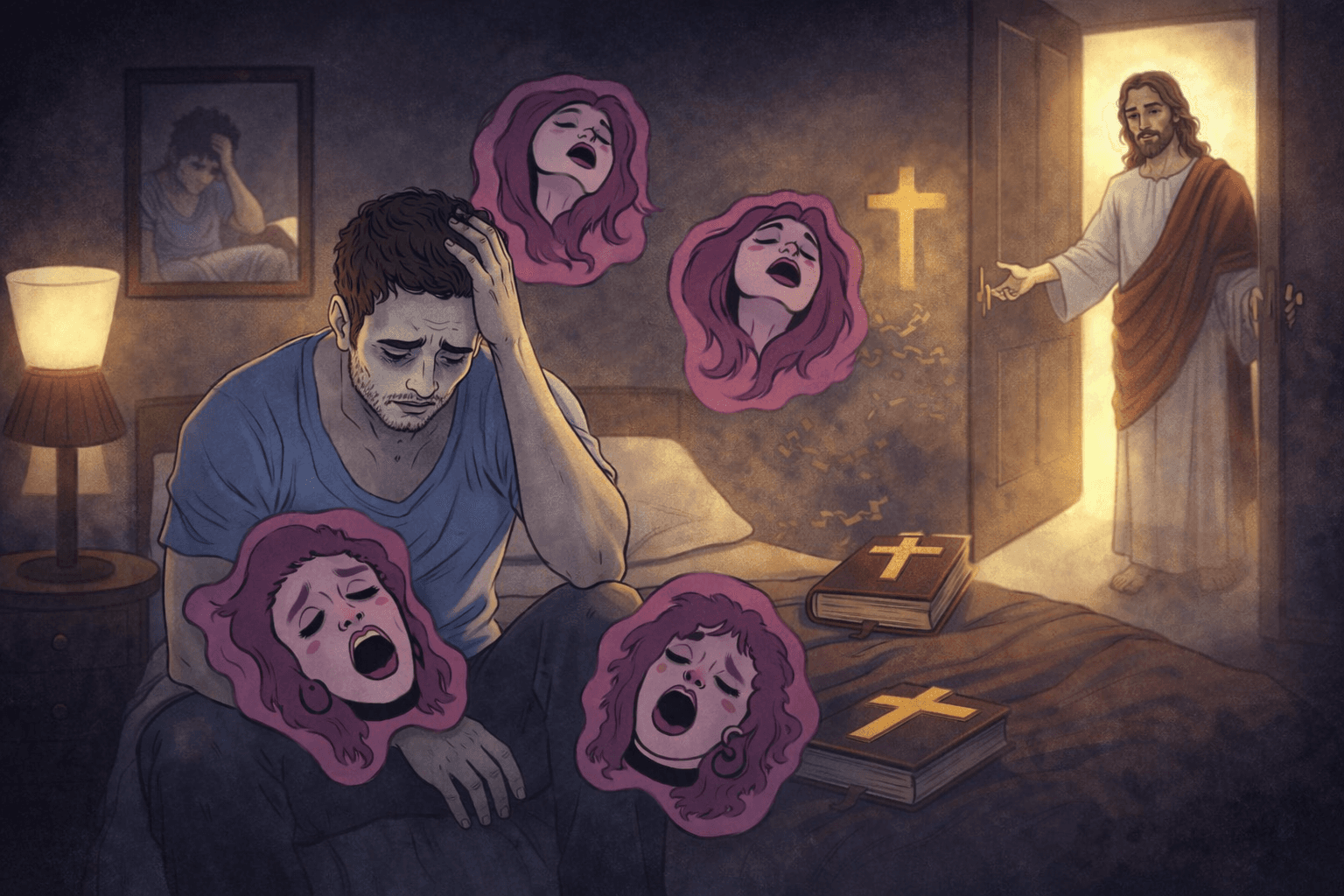
When people say “bad things,” they’re usually talking about pornography, and pornography carries a unique mix of guilt, secrecy, and shame.
Unlike many sins:
-
It’s private
-
It’s repetitive
-
It often comes with promises to stop — followed by relapse
That pattern creates a specific fear:
“I keep doing this. What if God stops forgiving me?”
Scripture directly addresses that fear, not by pretending the sin is harmless, but by pointing people away from despair and toward repentance, grace, and change.
Before we talk about behavior, habits, or recovery, we need to get one thing straight:
God’s forgiveness is not earned by finally getting it right. It’s received by turning back to Him honestly.
You may stumble or fall on your journey back, but as long as you turn back to God in repentance, grace and forgiveness remain available to you.
What This Article Will (and Will Not) Do
**This article will not: **• Pretend pornography is harmless • Excuse sin or lower biblical standards • Offer shallow reassurance without change
**This article will: **• Explain how Scripture actually addresses forgiveness and sexual sin • Clarify temptation vs. sin vs. repentance • Show why repeated failure is not unforgivable rebellion • Offer practical steps toward real healing and freedom
The goal is not just to feel better for five minutes. it’s to move from fear and secrecy toward clarity, repentance, and freedom.
Popular Recovery Guides
Is Being Tempted the Same as Sin? What Scripture Actually Says
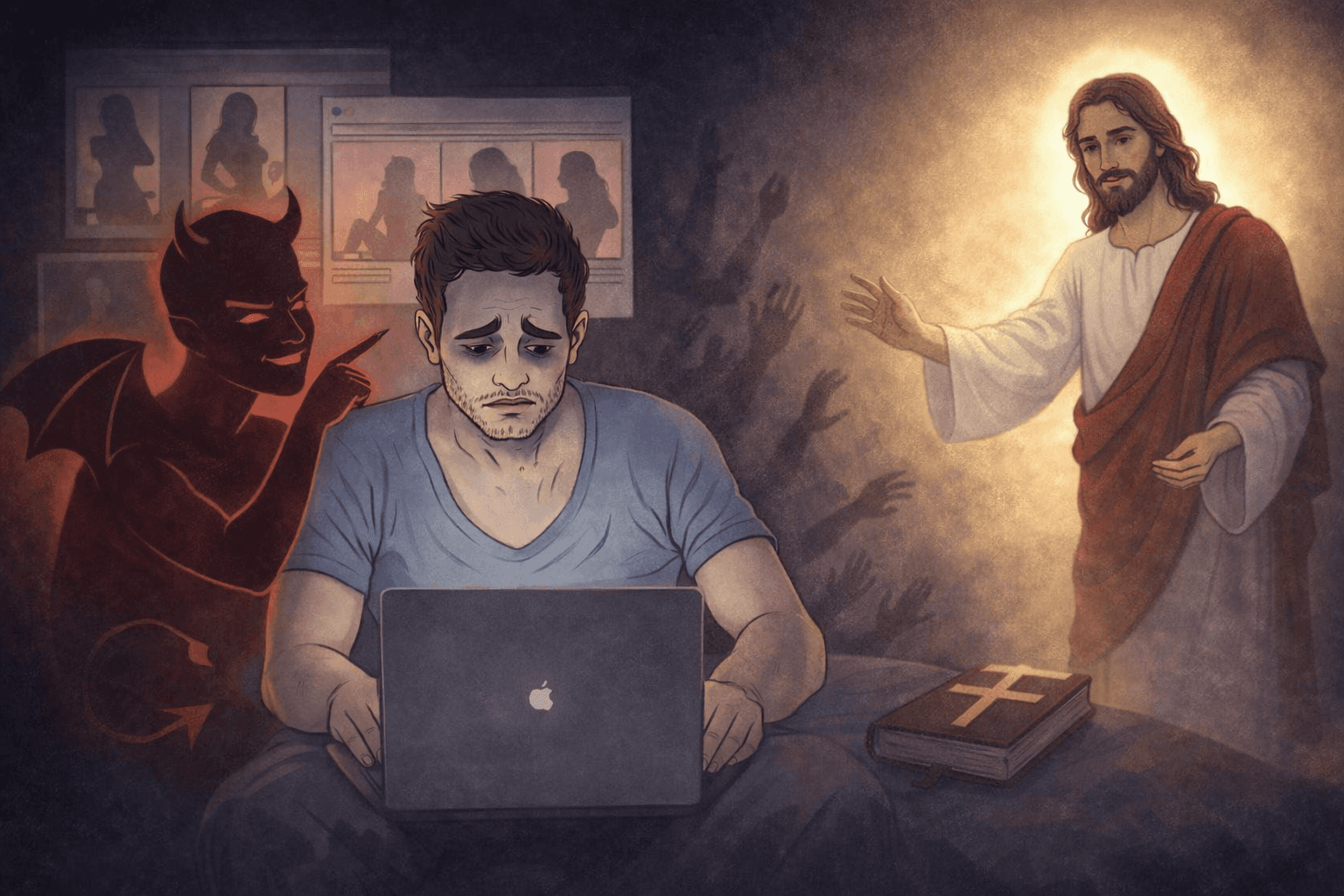
Exposure to explicit content and pornography is inevitable. But it’s crucial to distinguish between incidental exposure to explicit material and intentional seeking of it.
Merely encountering explicit content does not make you a sinner; it is the act of seeking out and consuming such material that can cause guilt in Christians who strive to be above that kind of behavior.
As humans, we are prone to temptation. Even Jesus Christ Himself faced temptations during His time on earth! The Bible acknowledges the reality of temptation and assures us that experiencing temptation does not equate to sin.
It is how we respond to those temptations that determines whether we have sinned or not, and there’s nothing wrong with experiencing temptation.
Does God Forgive Repeated Sin—or Only Once?
When you find yourself burdened by guilt and questioning God's forgiveness, it's important to remember that God's love is unconditional. His desire is for you to experience His forgiveness, healing, and restoration.
Scripture repeatedly affirms this promise of forgiveness for those who confess and turn back to God. This verse reminds us that no matter how deeply we have fallen into the trap of sin, God's forgiveness is available when we humbly come before Him.
God's forgiveness is not limited by the nature or severity of our sins.
In Psalm 103:12, it is written, "As far as the east is from the west, so far has he removed our transgressions from us." This powerful imagery illustrates the boundless extent of God's forgiveness.
When we genuinely repent and turn away from our sins, God removes them from us completely, never to hold them against us again.
Why Pornography Is Spiritually Serious (Without Fear or Hype)
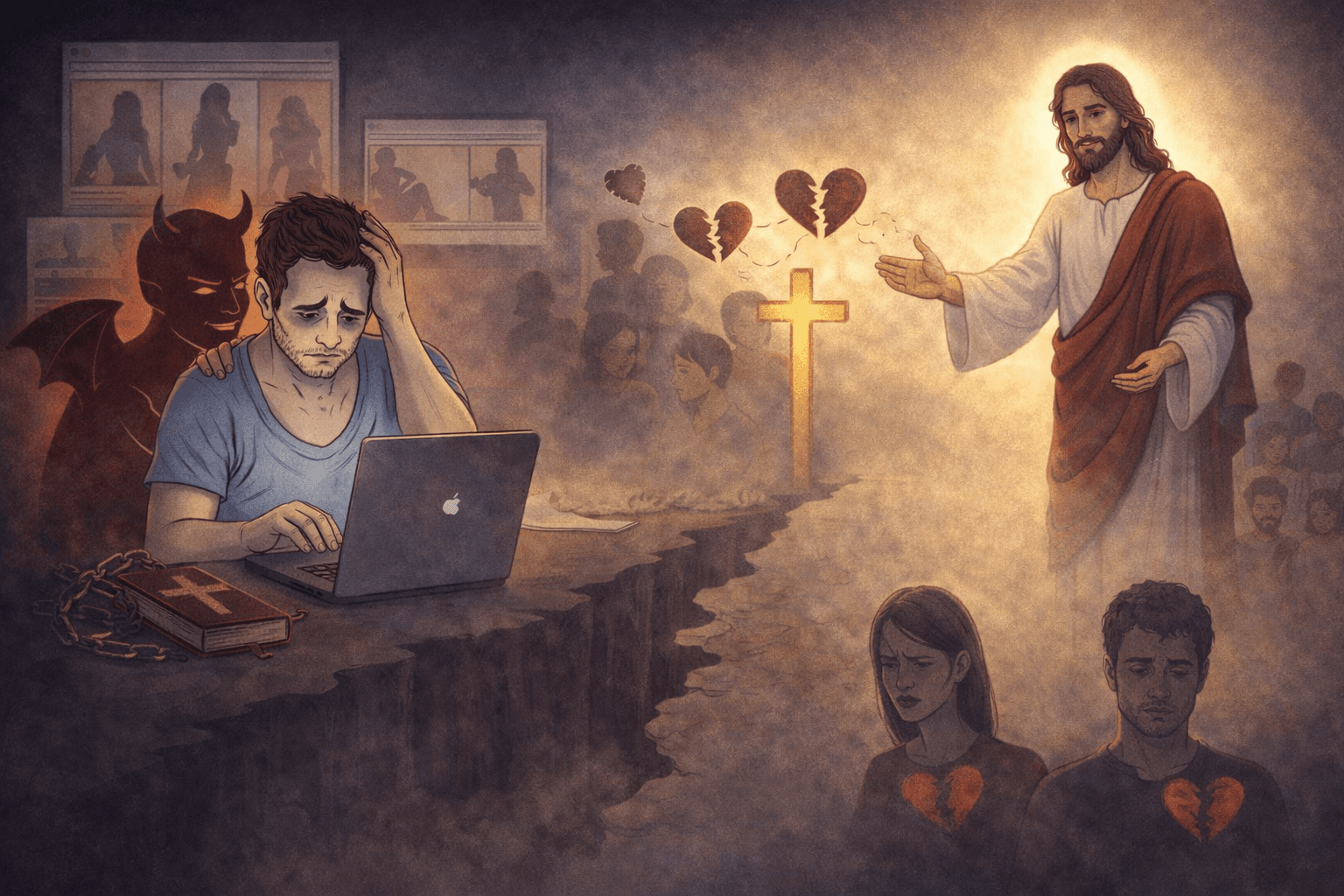
Within Christian teaching, pornography is understood as sinful because it involves lust and the misuse of sexual desire. It stems from lust, which the Bible repeatedly warns against. Watching pornography involves engaging in lustful thoughts and desires, which is a violation of God's commandments.
Additionally, watching pornography promotes a self-centered mindset, focusing solely on personal pleasure at the expense of others. The Bible calls believers to value others above themselves, practice selflessness, and honor one another.
Engaging with pornography objectifies individuals, disregarding their worth as children of God. This self-centeredness contradicts the biblical principles of love and respect for others.
Further reading: Does God Forgive Lust? Yes—Even When You’ve Failed Repeatedly
How Watching Pornography Affects Your Relationship With God
Watching explicit content not only distances us from our neighbors but also separates us from God. The Bible stresses the significance of purity and sanctification in our relationship with God.
In 1 Thessalonians 4:3, the apostle Paul writes, "For this is the will of God, your sanctification: that you abstain from sexual immorality." To show our love for God and align with His will, we refrain from immorality, including pornography.
Further reading: Is Watching Porn a Sin? Understanding the Question Christians Are Really Asking
What Real Repentance Looks Like (And What It Doesn’t)
While watching "bad things" is indeed sinful, it is important to recognize that God's grace is not limited by our mistakes.
God's forgiveness is readily available to all who humbly repent and genuinely seek His mercy. God wants you to repent so that He can forgive you. Repentance involves acknowledging our sins, feeling genuine remorse, and actively turning away from those sinful behaviors.
God provides avenues for healing and restoration. Alongside confessing our sins to Him, seeking guidance from spiritual leaders, mentors, or therapists can be instrumental in finding support and accountability on our journey to overcome pornography.
Additionally, there are various resources, such as recovery programs and support groups, that can provide the tools and community you need to break free from the cycle of sin.
Why Accountability Matters When Trying to Stop
Breaking free from the cycle of watching "bad things" requires intentional steps towards healing and transformation. One crucial aspect is seeking accountability and support. Sharing your struggle with trusted individuals, such as friends, mentors, or a support group, can provide the necessary encouragement, guidance, and accountability to overcome pornography addiction.
Accountability partners can help you establish healthy habits, navigate triggers, and provide an empathetic ear when you face challenges. They serve as a source of strength and motivation, reminding you of God's grace and the transformative power of His forgiveness.
Practical Steps to Break the Cycle and Move Forward
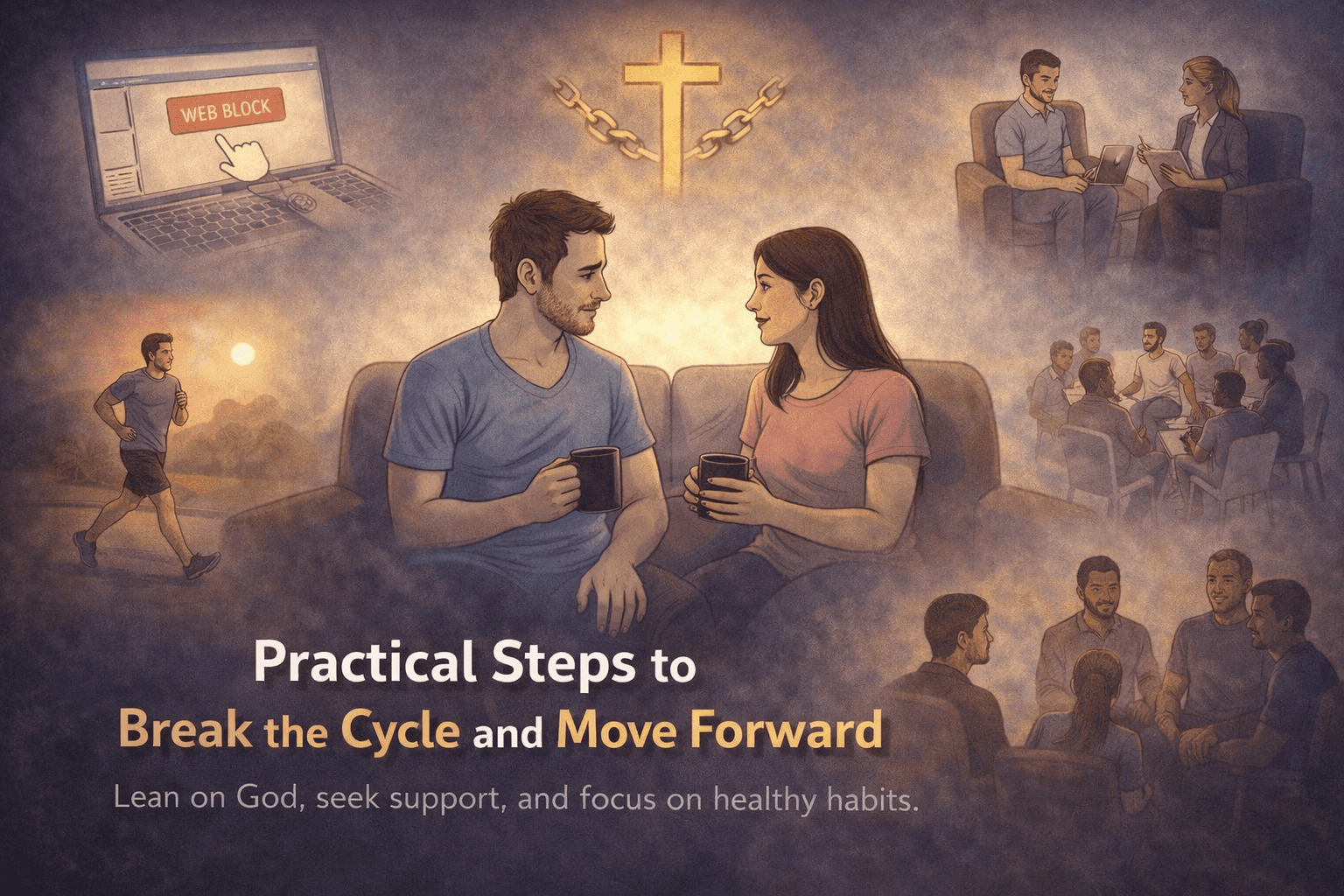
Overcoming pornography addiction is a process that requires dedication, perseverance, and reliance on God's strength. Here are some practical steps you can take:
-
Acknowledge the problem: Admitting that you have a pornography addiction is the first step towards healing. Recognize the negative impact it has on your life and your relationship with God.
-
Establish boundaries: Set clear boundaries for yourself, such as limiting internet usage, installing content filters, or creating a safe digital environment. Establishing healthy boundaries helps create a barrier between you and explicit content.
-
Seek professional help: If needed, consider consulting therapists or counselors experienced in addiction recovery. They can provide tailored guidance and support to address the underlying causes of your addiction.
-
Engage in healthy activities: Replace the time spent watching "bad things" with wholesome activities that promote emotional, mental, and spiritual well-being. Engaging in hobbies, exercising, spending time in nature, serving others, and nurturing healthy relationships can help redirect your focus and provide a sense of fulfillment.
-
Cultivate a spiritual practice: Deepen your relationship with God through prayer, meditation, and regular study of His Word. Seek His guidance and strength to overcome the temptations and struggles associated with pornography addiction.
-
Join a support group: Consider joining a support group specifically designed for individuals struggling with pornography addiction. These groups provide a safe space to share experiences, gain insights, and receive encouragement from others on the same journey.
Remember, overcoming pornography addiction is a process that requires patience and perseverance. Lean on God's strength, seek support from others, and celebrate small victories along the way.
Embracing God's Forgiveness and Restoration
As you strive to overcome the cycle of sin, it is essential to fully embrace God's forgiveness and restoration.
God's mercy knows no bounds, and when you genuinely repent, He extends His loving arms to welcome you back into a renewed relationship with Him.
Remember, God's forgiveness is not contingent on your ability to overcome addiction on your own. It is a result of His grace and the redemptive work of Jesus Christ on the cross. By accepting God's forgiveness, you open the door to healing, restoration, and a renewed sense of purpose.
Moving Forward in Freedom and Victory
While the journey towards freedom from watching "bad things" may be challenging, remember that God is with you every step of the way. He promises to be your strength and guide as you navigate the path of repentance and healing.
As you continue to seek God's forgiveness and strive to overcome pornography addiction, cling to the promise in Philippians 4:13, which declares, "I can do all things through him who strengthens me." With God's help, you can break free from the chains of addiction and experience the abundant life He has intended for you.
Final Thoughts: Forgiveness Is the Beginning, Not the End
If you came here afraid that you’ve gone too far, hear this clearly:
God’s forgiveness is not exhausted by repeated failure. It is offered whenever a person turns back to Him in repentance.
That does not mean pornography is harmless. It isn’t.
Further reading: What Does The Bible Say About Pornography? Scripture, Sin, And Hope
But it does mean that guilt and despair are not signs that God has abandoned you—they’re often the very things He uses to draw you back.
Forgiveness is not a reward for finally getting everything right.
It is the doorway through which real change begins.
If pornography has become a habit you can’t seem to break alone, forgiveness and effort must go together. Repentance restores your relationship with God; wise action helps you walk forward in freedom.
You are not uniquely broken, disqualified, or alone.
*“There is therefore now no condemnation to them which are in Christ Jesus.” *— Romans 8:1 (KJV)
If you’re ready to move beyond fear and secrecy toward clarity, accountability, and healing, support can make the difference. Programs like Relay exist to help people stop cycling through guilt and relapse—and start rebuilding integrity, faith, and self-control in a sustainable way.
Forgiveness is available. Freedom is possible. And this struggle does not define you.
A Resource to Consider To Help You Stop Watching Bad Things
A tool that can help you connect with God’s love for you, and help you overcome a habit of watching pornography is the recovery program Relay.
Created by a team of professionals with 40+ years of professional addiction counseling, and a team of individuals with 20+ years of attending addiction counseling, Relay is a unique blend of everything we wish we could have had to aid us on our journey to overcoming pornography habits.
Not only has Relay become the #1 group-based recovery program, but also helped individuals from a huge variety of backgrounds make progress against their pornography habits—progress that many had previously thought impossible.
Learn more about Relay and its Christian perspective!