
Empower your clients to make sustainable recovery
Relay extends your work beyond the therapy hour — pairing the men in your care with a like-minded group, daily accountability, and therapist-designed lessons, so the change you start together holds.
Trusted & featured by
You see it every week. The country is finally naming it.

Relay fills the space between sessions, so the work holds
Therapy is an hour. Recovery is the other 167. Relay carries your clinical work into the week with accountability, community, and structure your clients can lean on when you are not in the room.
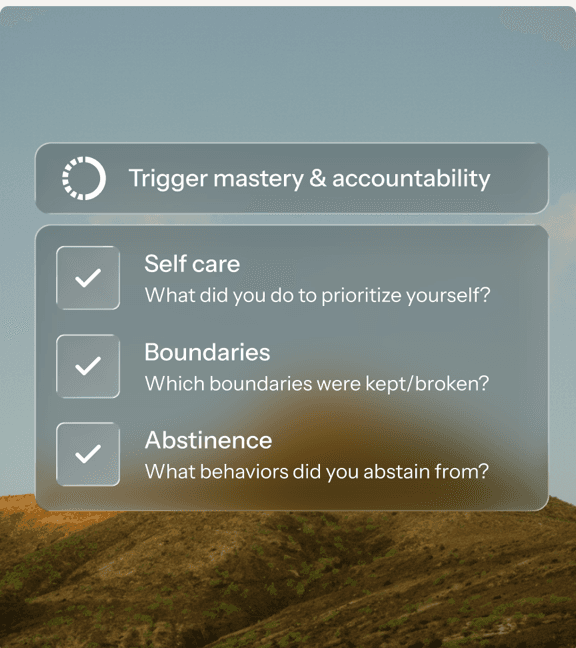
Personalized plan for recovery
Every member starts with a plan built around their triggers, values, and goals, so the work between sessions has direction instead of guesswork.
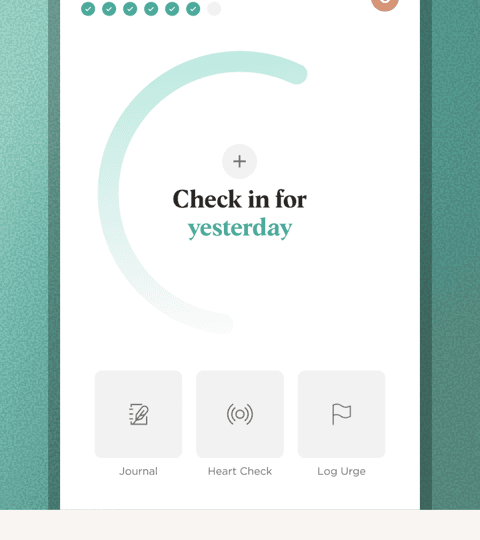
Daily accountability
A daily check-in keeps the habit from running in the background. Small, consistent reps are what make change hold.
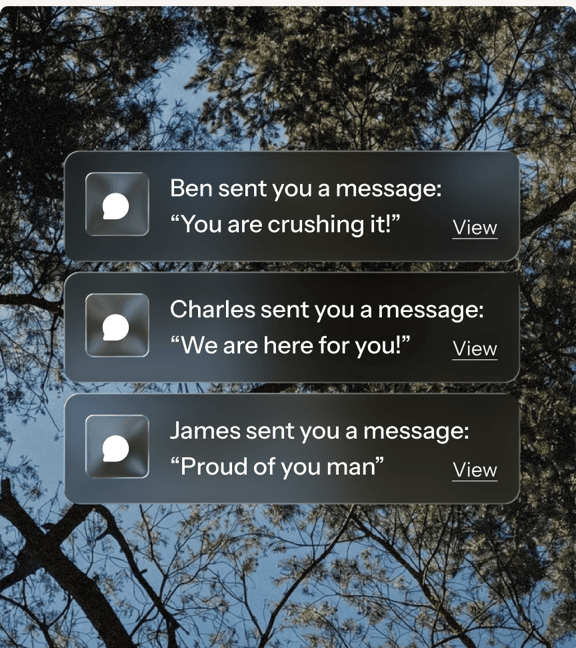
24/7 group-based community
A private group of men who get it, available any hour the urge hits. Encouragement, not judgment, on the hard days.
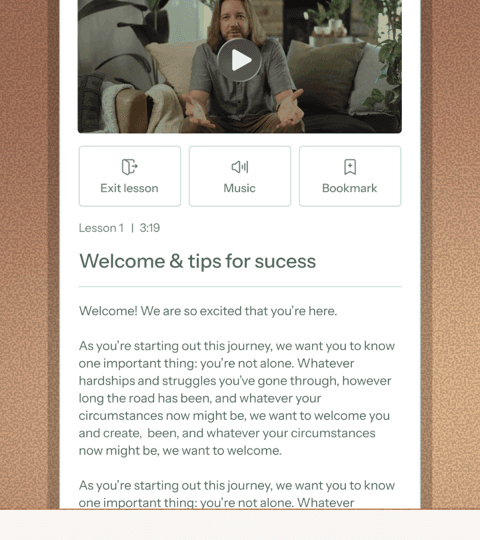
Evidence-based tools & structure
Therapist-designed lessons and structured exercises turn insight into practice, reinforcing the work you do in your office.
Relay draws on multiple evidence-based modalities
Attachment theory
Compulsive use is often an attempt to self-soothe a nervous system that never learned to feel safe in connection. Relay’s groups and daily check-ins give men a secure base — consistent, judgment-free relationships that make it possible to sit with discomfort instead of numbing it.
Trauma informed care
For many men, porn became a way to cope with pain that started long before the habit did. Relay moves at the pace of safety, never shame, and helps men understand the wounds underneath the behavior so healing can take root.
CBT/DBT
Relay’s lessons draw on cognitive and dialectical behavioral tools: naming triggers, challenging the thoughts that precede a relapse, and building concrete skills to ride out urges. Men practice these daily, backed by a group that keeps them accountable.
Attachment theory
Compulsive use is often an attempt to self-soothe a nervous system that never learned to feel safe in connection. Relay’s groups and daily check-ins give men a secure base — consistent, judgment-free relationships that make it possible to sit with discomfort instead of numbing it.
Clinical advisory board
Some of the most respected therapists and professionals in the world rallied behind Relay, its approach and its mission.
Join Relay[My client] has been soaringggg … all green streaks. The Relay app is amazing, it certainly has helped him.

See exactly how Relay works for your clients
Book a short call and we'll walk you through the member experience, the clinical model behind it, and how Relay fits alongside the work you already do.
Frequently asked questions
Everything you might want to know about how Relay works with your practice. Still have a question? Book a consultation — we’re real people and we’ll help.
Is Relay a replacement for therapy?
No. Relay is built to work alongside therapy, not replace it. It extends your clinical work into the other 167 hours of the week with accountability, community, and structured lessons, so the progress a client makes in session has support to hold.
How does Relay fit with my treatment plan?
Members set goals and boundaries in the app that mirror the work you are doing together. You can align Relay's daily check-ins and lessons with your treatment plan, and members can share their progress with you however you prefer.
What clinical approach does Relay use?
Relay draws on attachment theory, trauma-informed care, and CBT/DBT skills. The lessons and group facilitation are designed by licensed clinicians and grounded in the same evidence base you work from.
Is my client's information private?
Yes. Members choose how they show up, and their activity is not tied to a public identity. Privacy is core to how Relay is built. It is what makes men willing to be honest.
What does Relay cost my clients?
Relay is $149 for a full year, a fraction of what ongoing therapy costs, so it is accessible as a between-session support. That includes their group, daily accountability, every lesson, and progress tracking.
Can I refer clients directly?
Yes. Partnered therapists can refer clients and, if you would like, be matched so you keep visibility into their participation. Book a consultation and we will set you up.
How do I partner with Relay?
Book a consultation. We will walk through how Relay works, answer your clinical questions, and get you set up to refer clients or join our network.